When you suffer from tooth loss, our team can help secure a replacement option so you can eat your favorite foods and smile with confidence. But like your natural teeth, these will need routine care to stay strong and bright. At your San Antonio, TX, dentist’s office, we explain how to care for your new dental implants.
When we see people with dental stains or misshapen or damaged teeth, we want to offer improvement with cosmetic dentistry. From teeth whitening to advanced dental implants, we can address the issues that alter the appearance of your teeth. At your San Antonio, TX, dentist’s office, we can offer stunning results with cosmetic dentistry.
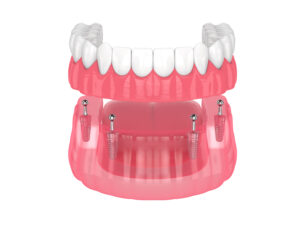
When we lose most of our natural teeth, we can develop a weakened smile through the loss of mass and density in the jaw. Over time, this could mean the jaw is too weak to support dental implants. However, we have an option that can support dentures even with a weakened jawbone! At your San Antonio, TX, dentist’s office, we’re talking about the All-On-Four option!
When you suffer from the loss of most of your natural teeth, or all of them, you need help right away. To restore your ability to eat your favorite foods and smile without hesitation, you need a set of dentures. At your San Antonio, TX, dentist’s office, we can help safeguard your oral health and bite function with custom dentures.
Cosmetic dentistry includes an array of treatments to brighten stained teeth, repair dental damage, and even reshape malformed teeth too. In as little as one visit, our team can often offer major smile improvements! At your San Antonio, TX, dentist’s office, we can provide a brighter smile with our cosmetic treatments.
Do you feel nervous about visiting the dentist? We understand, and we want to help you feel relaxed and enjoy your time in our office. With sedation dentistry, we can help people with anxiety and special needs receive the care necessary to keep your smile strong. At your San Antonio, TX, dentist’s office, we can help you with sedation dentistry.
When you suffer from the loss of most or all of your teeth, this can impact everything from how you speak to how you eat. But help is possible! Even if your jaw has been left weakened by tooth loss, we can use a unique set of implant dentures to support a new smile. At your San Antonio, TX, dentist’s office, we can discuss the benefits of All-On-4.
Do you wish your smile could be brighter? Do you have uneven or misshapen teeth, or have you lost natural teeth? If so, we can correct these common imperfections with our cosmetic treatment options. At your San Antonio, TX, dentist’s office, our team can use cosmetic dentistry to help improve your smile’s appearance.
Invisalign® is an orthodontic treatment option that corrects your misalignment, so you can enjoy better oral health. In addition, the treatment system uses clear and cozy plastic aligners instead of metal braces, and offers a host of advantages over traditional braces. In today’s blog, your San Antonio, TX, dentist’s office is examining the benefits of Invisalign® aligners.
Do you have problems with chronic snoring that disturb your loved ones throughout the night? Do you wake up each morning feeling just as tired as when you went to sleep? These symptoms could indicate that you suffer from sleep apnea. Without proper treatment, this disorder can lead to health problems beyond annoying your family and feeling restless each day. Advanced apnea can lead to serious problems with your cardiovascular problem and take a toll on your immune system.
At your San Antonio, TX dentist's office, we could provide an oral appliance to help you fully breathe while you sleep and allow you to wake up feeling refreshed. This convenient alternative to a continuous positive airway (CPAP) machine can be a real benefit for patients who have difficulty complying with CPAP therapy. Because we custom-fit each device to fit your specific smile, you can rest comfortably at night with the knowledge that you are not damaging your heart by failing to breathe.